Ine: The Village Floating on the Sea
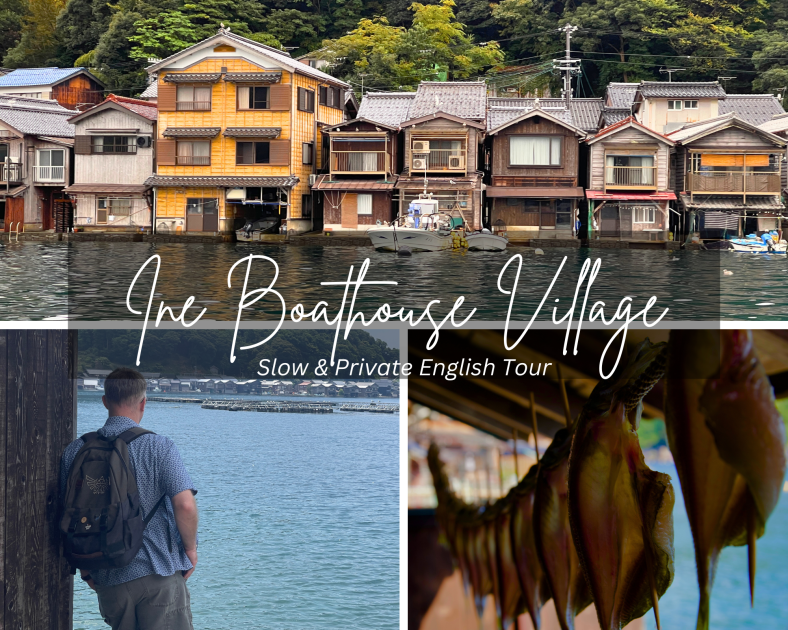
A guided journey into Japan’s hidden maritime world. Walk the docks, ride the local boats, and taste the G20-celebrated Red Sake.
Why this tour? Ine is often seen from a distance, but we take you inside. Walk the narrow lanes where the sea is a doorstep, and discover a lifestyle that has remained unchanged for centuries.
Highlights:
- The Funaya: See the famous “Boat Houses” from both land and sea.
- Sea Taxi: Enjoy an intimate, small-boat cruise guided by local fishermen.+1
- Ine Mankai: Visit Mukai Shuzo to taste the “Red Sake” served at the G20 Summit.
- Hidden History: Visit a local museum and discover Ine’s maritime heritage and traditions
(Duration: Approx. 2 Hours | Start: 10:00 AM)
- 10:00 – Meet at Ine Tourist Information Center.
- 10:10 – Harbor Walk: Stroll past historic boat houses and learn their secrets.
- 10:30 – Sea Taxi Cruise: A private view of the village from the water.
- 11:15 – Mukai Shuzo Brewery: Tasting the famous “Ine Mankai” sake.
- 11:45 – local museum and discover Ine’s maritime heritage and tradition
- 12:00 – Tour concludes at the center.
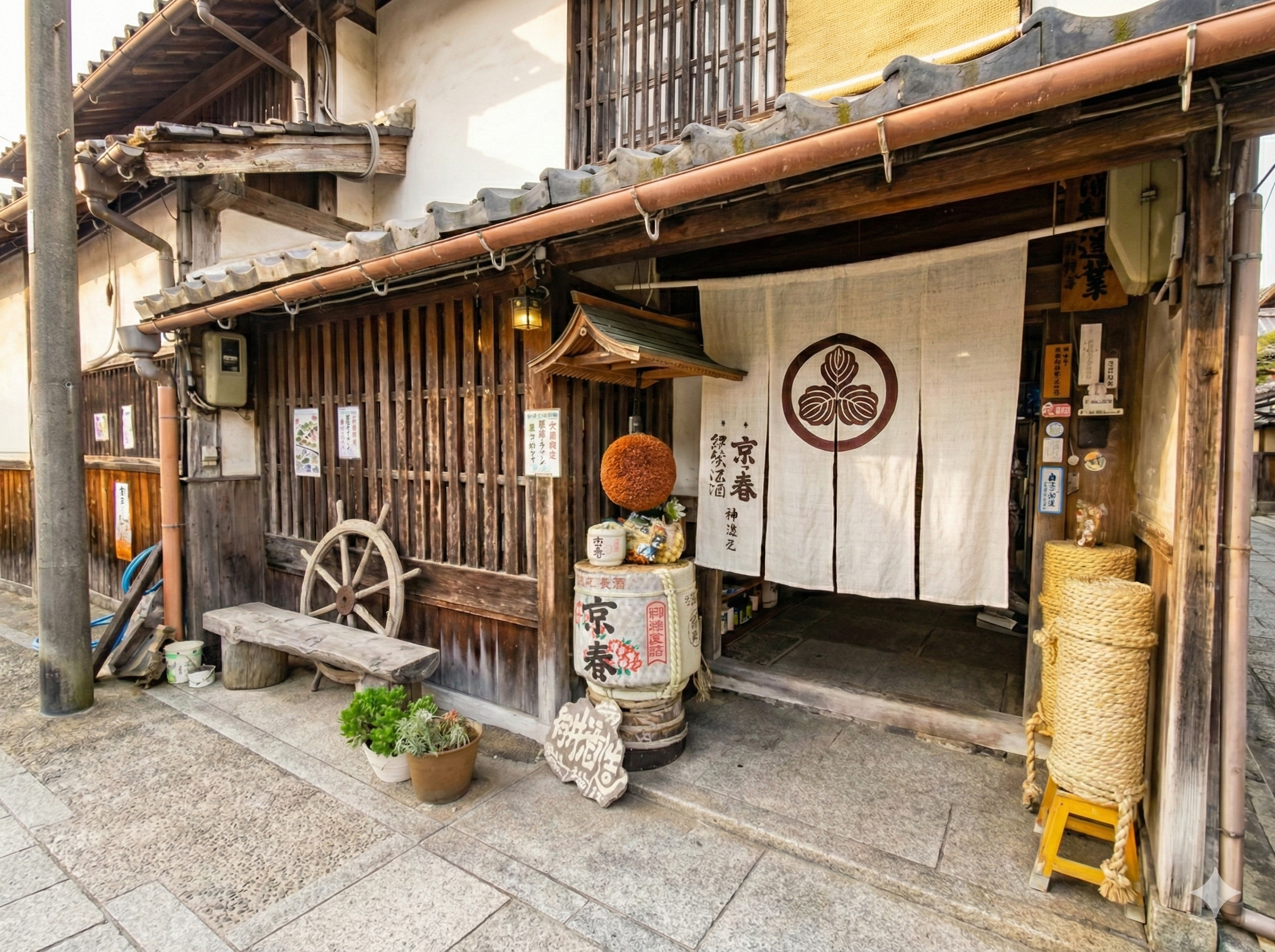
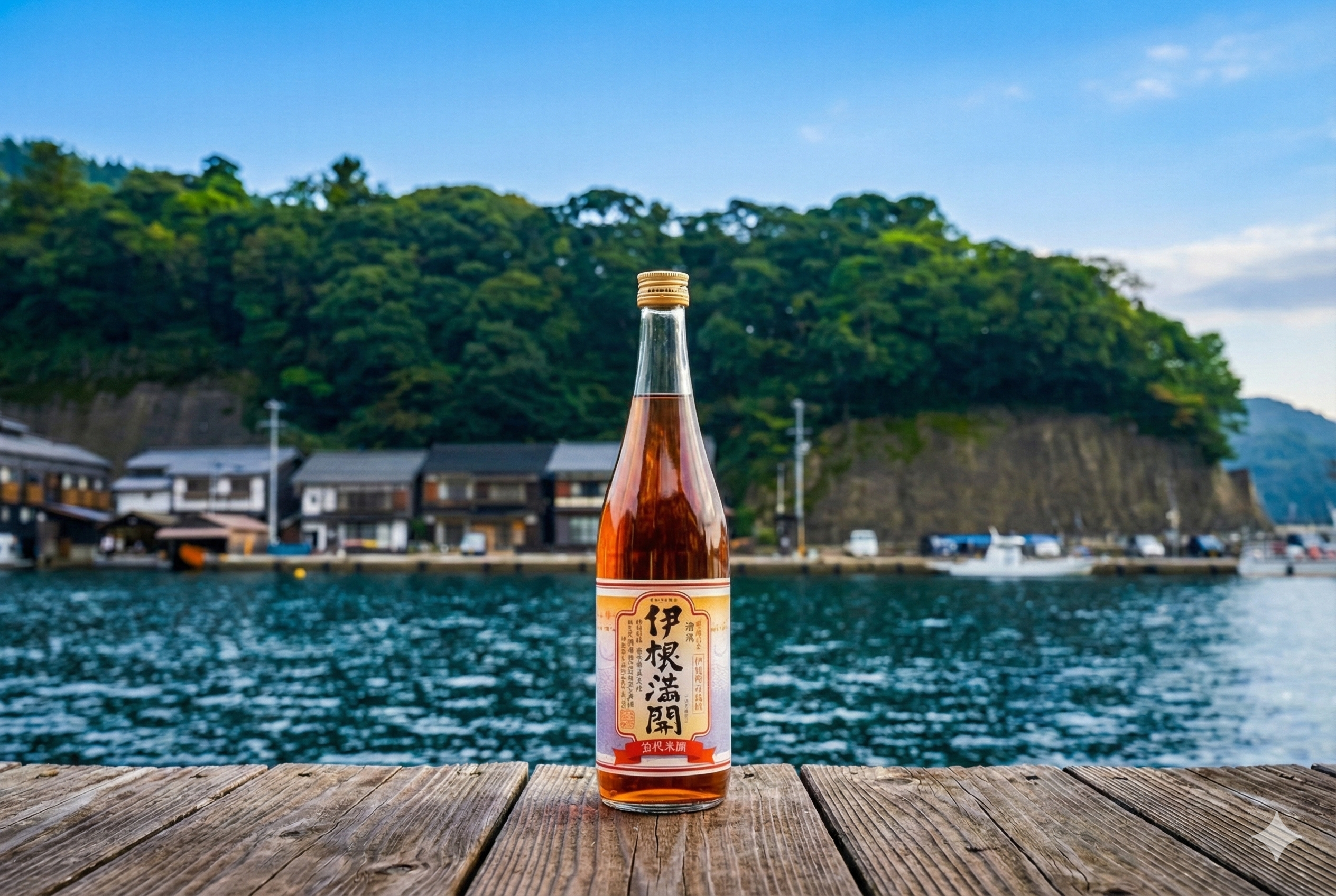
Taste the “Ine Mankai” We visit Mukai Shuzo, founded in 1754. Here, Master Brewer Kuniko Mukai created a vivid red sake from ancient rice. Its fruity, rosé-like profile was chosen to represent Kyoto at the G20 Osaka Summit.
How to Book This Tour
Click the button below to see open dates on GetYourGuide.
Select your date and book safely with instant confirmation.
Receive your mobile voucher immediately via email.
Book Your Spot Instantly via GetYourGuide We partner with GetYourGuide to provide a seamless, secure booking experience.
Check Availability on GetYourGuide ↗
What You’ll Experience
- A guided walk through one of Japan’s most scenic fishing villages, lined with traditional funaya (boat houses)
- A peaceful boat ride offering unique views of daily life along the harbor
- A visit to a local mini museum showcasing Ine’s maritime heritage and cultural traditions
- A glimpse of the festival boats and the stories behind them
- Emotional storytelling that connects you to the rhythms, rituals, and quiet beauty of the sea-bound village
Let’s Craft Your Journey It’s our honor to host you on this unforgettable experience. If you’d like to customize the itinerary, we’re here to assist. Let’s make this journey yours.
Important Notes: This experience includes guided coordination and storytelling. Some artisan workshops, shrine entrances, and tasting sessions may require separate fees, which are not included in the base tour price. Guests are responsible for covering these costs on-site. By booking, you acknowledge that these optional activities are paid separately and are not grounds for refund or claim.
Experiences
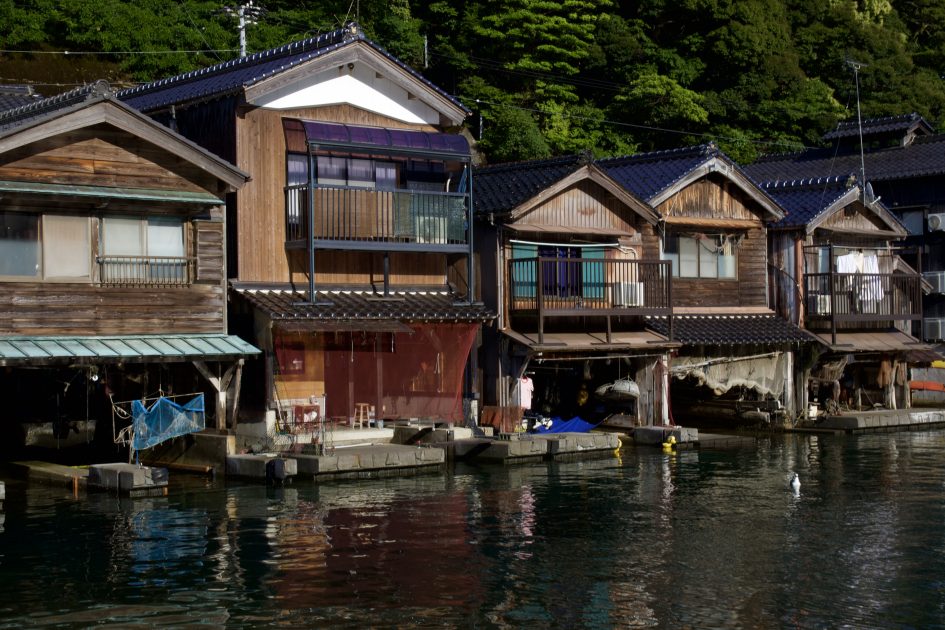
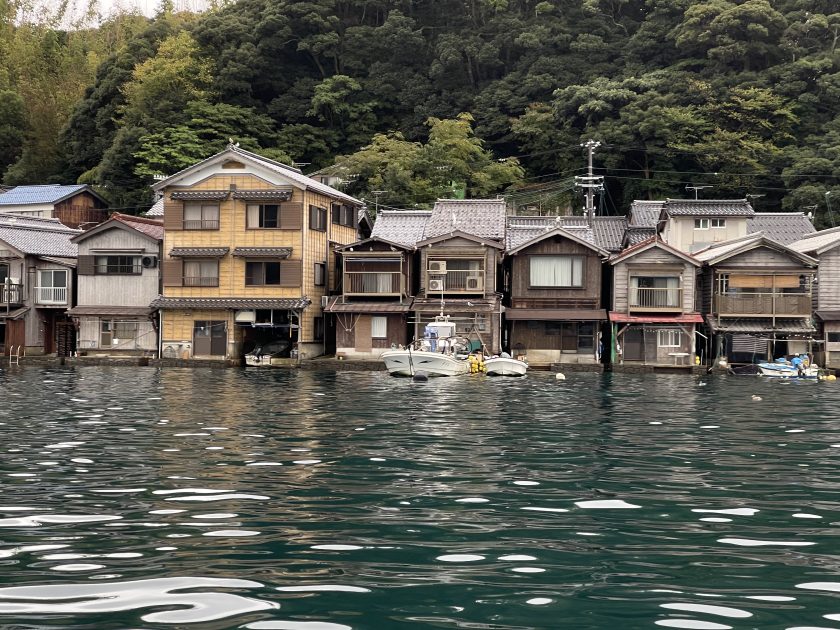
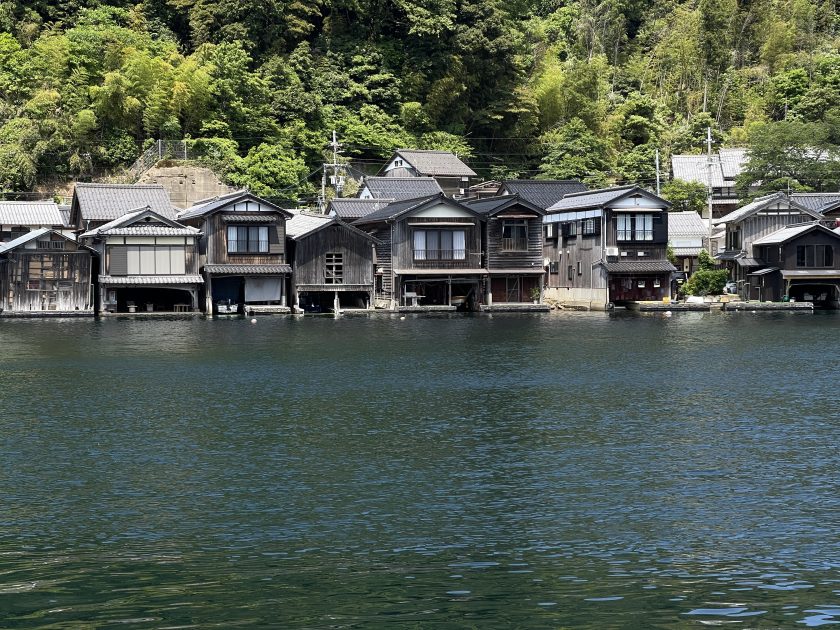
Ine – Funaya (Boat Houses) Ine is famous for its unique funaya. These wooden buildings sit directly on the water, serving as the docks and homes for the village’s fishermen. The first floor acts as a boat garage, while the second floor is a living space, creating the illusion of homes floating on the sea.
Mukai Shuzo & The Red Sake Founded in 1754, Mukai Shuzo is known for its experimental brewing. Master Brewer Kuniko Mukai created “Ine Mankai,” a vivid red sake made from ancient red rice. Its unique tart flavor was chosen to represent Kyoto at the G20 Osaka Summit in 2019.

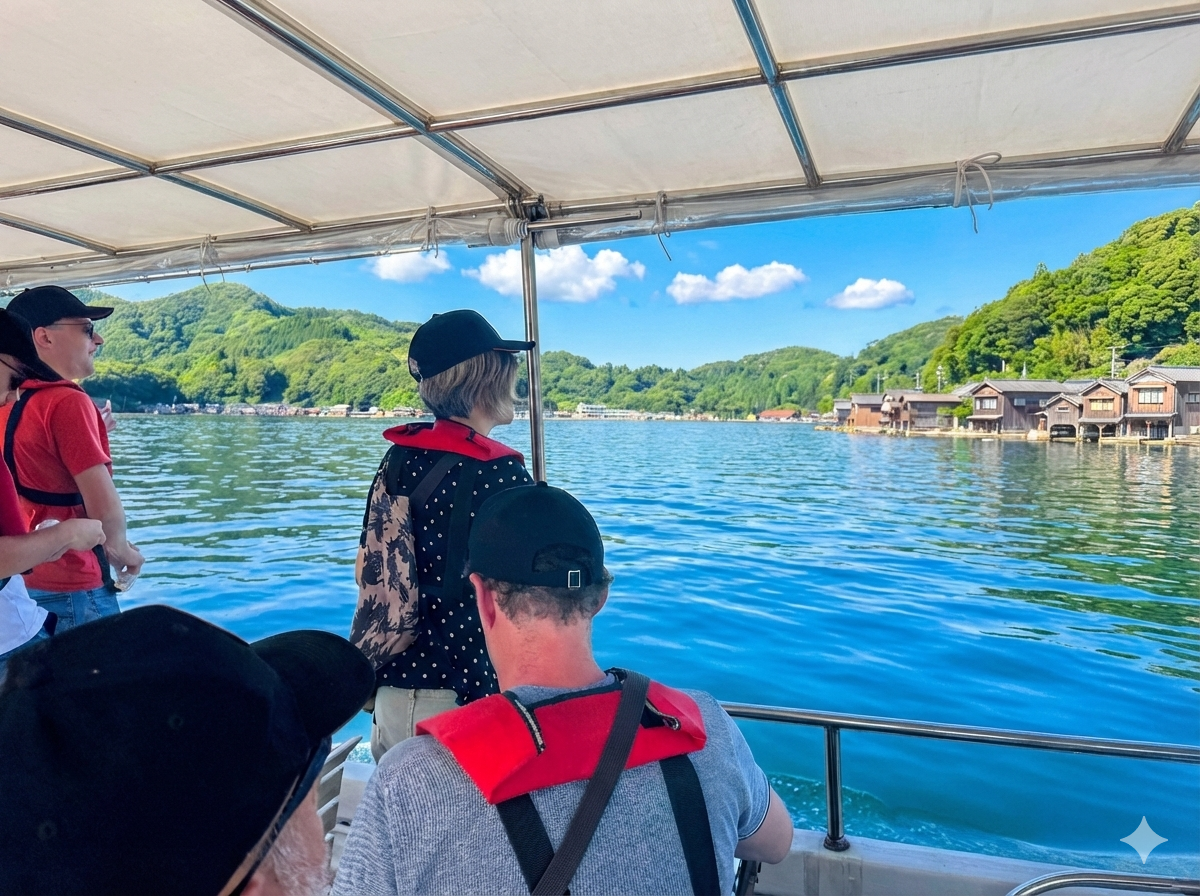
Ine Bay Sea Taxi We use local “Sea Taxis”—small boats guided by fishermen—to explore the harbor. This offers an intimate view of the funaya from the water, an angle impossible to appreciate from land.
- See the funaya from the sea—an angle impossible to appreciate from land
- Hear stories directly from local boatmen about Ine’s history, festivals, and daily life
- Occasionally spot dolphins in the bay during certain seasons
- No advance reservation required for small groups
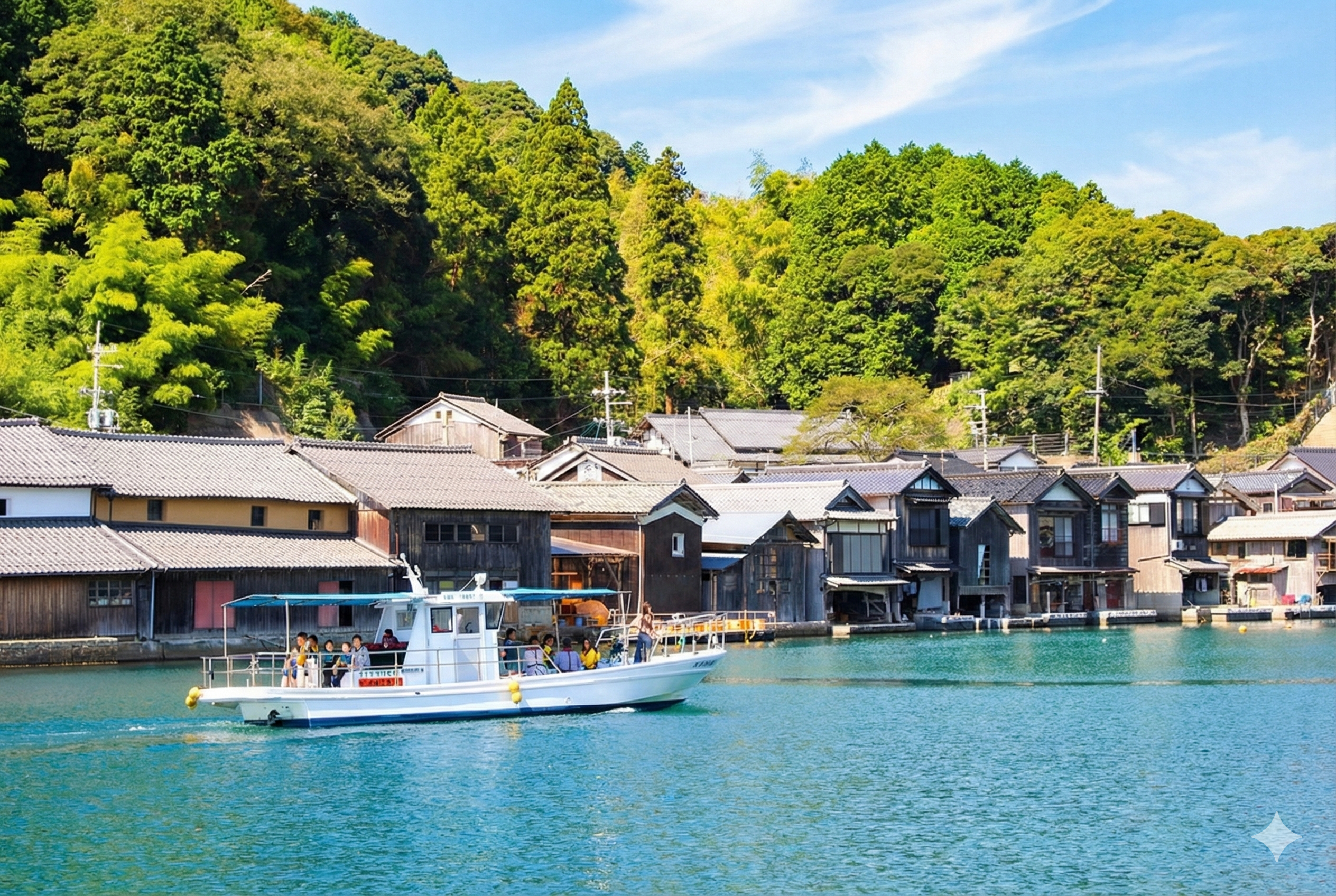
Ine townscape 伊根の町並み
a rare and breathtaking example of Japan’s coastal heritage, where traditional boat houses line the bay in a seamless blend of architecture, nature, and daily life.
- Unique Architecture: The hallmark of Ine’s townscape is its funayatwo-story wooden buildings built directly on the water’s edge. The first floor serves as a boat garage, while the second is used for storage or living space. These structures create the illusion of homes floating on the sea.
- Cultural Significance: With over 230 funaya still standing, Ine is considered one of Japan’s most beautiful and culturally rich fishing villages. The layout reflects centuries of maritime tradition, where the sea is not just a view but a way of life.
- Preservation Status: Ine’s townscape has been designated as an Important Preservation District for Groups of Traditional Buildings, recognizing its historical and architectural value.
- Atmosphere: The village offers a quiet, timeless ambiance. Narrow lanes connect the funaya to hillside homes, and the absence of large-scale tourism keeps the experience intimate and authentic.
- Local Life: Residents still use the funaya for fishing and daily routines. Visitors are asked to respect privacy, as many buildings are privately owned and actively lived in.

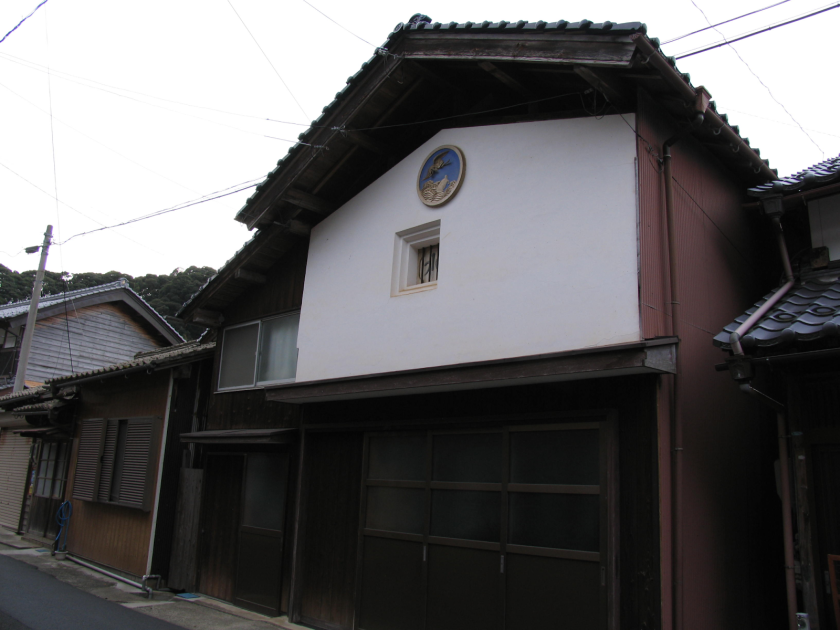
Ineura Storehouse 伊根浦土蔵
traditional earthen-walled storehouses that form a vital part of Ine’s historic coastal landscape, offering a glimpse into the village’s maritime and architectural heritage.
- Function & Design: These dozō (土蔵) were historically used to store fishing gear, rice, sake, and valuables. Built with thick earthen walls and tiled roofs, they were designed to protect contents from humidity, fire, and sea air.
- Cultural Context: Located behind the iconic funaya (boat houses), the storehouses were part of a three-part living structure: the funaya for boats, the main house for residence, and the storehouse for storage. This layout reflects the rhythm of life in a fishing village deeply tied to the sea.
- Preservation Status: Over 130 storehouses remain in the Ineura Preservation District, contributing to the area’s designation as an Important Preservation District for Groups of Traditional Buildings.
- Visual Character: Their white plaster walls and dark wooden frames contrast beautifully with the sea-facing funaya, creating a layered townscape that blends utility and elegance.